What Makes a Brand Story Stick
Most brand stories don't fail because of bad production. They fail because they start with the brand instead of a person. I've sat through hundreds of brand positioning workshops where the first slide says "Our Story" and the next 40 slides are about the company. That's a press release, not a story.
The brand storytelling examples that actually work, the ones people share, remember, and build loyalty around, have three things in common: specificity, tension, and a protagonist the audience can root for.
Specificity means names, numbers, and places. Not "we serve communities around the world" but "Maria in Cebu runs an after-school reef monitoring program for 500 kids." Tension means stakes. Something has to be at risk, a livelihood, an identity, a belief. And the protagonist is almost never the brand itself. It's a customer, an employee, a community member, a founder in the early days before things worked.
Stanford research found that stories are up to 22 times more memorable than facts presented alone. That's not a small edge. That's the difference between a campaign people scroll past and one they talk about at dinner. Let's look at the brands that figured this out.
Patagonia: Transparency as Narrative
You can't write about brand storytelling without starting here. But I want to go past the surface-level "Patagonia is great at storytelling" take, because there's a specific thing they do that most brands won't.
They show the ugly parts.
Patagonia's Footprint Chronicles maps their entire supply chain and flags the problems. Not just the wins, the factories where conditions aren't perfect yet, the materials they haven't found sustainable alternatives for, the trade-offs they're still wrestling with. Most brands would bury that. Patagonia made it the story.
Then there's "Don't Buy This Jacket", a full-page ad in The New York Times on Black Friday telling people not to buy their product. On paper, that's insane marketing. In practice, it worked because it was backed by real action: their Worn Wear repair program, their 1% for the Planet commitment, and eventually, transferring ownership of the entire company to a trust dedicated to fighting climate change.
The Patagonia Stories section of their site reads more like a documentary archive than a marketing hub. Each piece follows a person in a place doing something specific. A fly fisherman fighting for dam removal. A climber restoring trails. A surfer documenting kelp forest decline.
The lesson: Radical honesty is a storytelling strategy, not a liability. When you show the trade-offs, audiences trust the wins.
Airbnb: Belonging as Brand Story
When Airbnb launched "Belong Anywhere" in 2014, they did something I wish more brands would do: they identified the human need underneath the product and made that the entire story.
They weren't selling accommodation. They were selling the feeling of being welcomed by a stranger in a city you've never visited. That distinction sounds academic until you see how it played out in their content. Every piece of Airbnb storytelling centers a host or a guest, not the platform. A grandmother in Havana who rents her spare room to travelers because she loves cooking for new people. A family in Tokyo who hosts exchange students during cherry blossom season. These aren't invented personas. They're real people with real names and real kitchens.
During the pandemic, when their business was in serious trouble, they doubled down on community stories instead of switching to discount marketing. Host stories became the lifeline, people sharing how hosting helped them keep their homes, stay connected, rebuild after lockdowns.
I worked on campaigns at Ogilvy where we spent months trying to find the "emotional truth" of a brand. Airbnb found theirs early and never let go of it.
The lesson: Find the human need your product actually serves. Make that the story. Then let real people prove it's true.
Dove: Redefining Beauty Standards
The Dove Real Beauty campaign launched in 2004 and it's still running. Twenty-two years. That alone tells you something about what happens when a brand story is built on a genuine insight rather than a trend.
Here's what most people miss about Dove: they didn't just pick a cause and attach their logo to it. They commissioned a global study, the Real Beauty study, that revealed only 2% of women described themselves as beautiful. Then they made the research the story. The data created the tension. The campaign was the response.
The "Real Beauty Sketches" film, where a forensic artist drew women based on their own descriptions versus how strangers described them, became the most-watched ad in history at the time. It worked because the tension was internal and universal, the gap between how you see yourself and how others see you.
When I was at Huge, we studied Dove's approach closely. The takeaway was always the same: they found an insight that was bigger than their product category, and they had the patience to build a narrative around it for decades instead of chasing a new campaign every quarter.
The lesson: Original research can become your most powerful brand narrative. Commission the study, find the tension, and let the data set up the story.
Nike: Athlete Storytelling at Scale
Nike has always understood something that escapes a lot of brands: people don't want to hear from you. They want to hear from someone they admire doing something difficult.
The Colin Kaepernick "Believe in something, even if it means sacrificing everything" campaign in 2018 was a brand story that carried real risk. Nike lost customers. Stock dipped temporarily. And then it surged, because the story was real. Kaepernick had actually sacrificed his career. The ad wasn't aspirational marketing, it was documentation of something that already happened.
The Breaking2 project is another favorite of mine. Nike set out to break the two-hour marathon barrier with Eliud Kipchoge and turned the entire process into a documentary narrative. The training in Kenya. The science team. The failures and recalibrations. When Kipchoge crossed the line at 2:00:25, just short, it was somehow more compelling than if he'd succeeded. The tension made it unforgettable.
Nike Stories operates more like a media company than a brand content hub. Each piece follows an athlete through a challenge. The product is present but never the protagonist. The human always is.
The lesson: Don't play it safe with your brand story. Take a position. Let real people carry real stakes. The audience respects the risk.
Edges of Earth: Expedition-Driven Brand Storytelling
I'm including my own work here because I think it illustrates something the bigger examples can't: what happens when the storytelling comes from the field, not a content calendar.
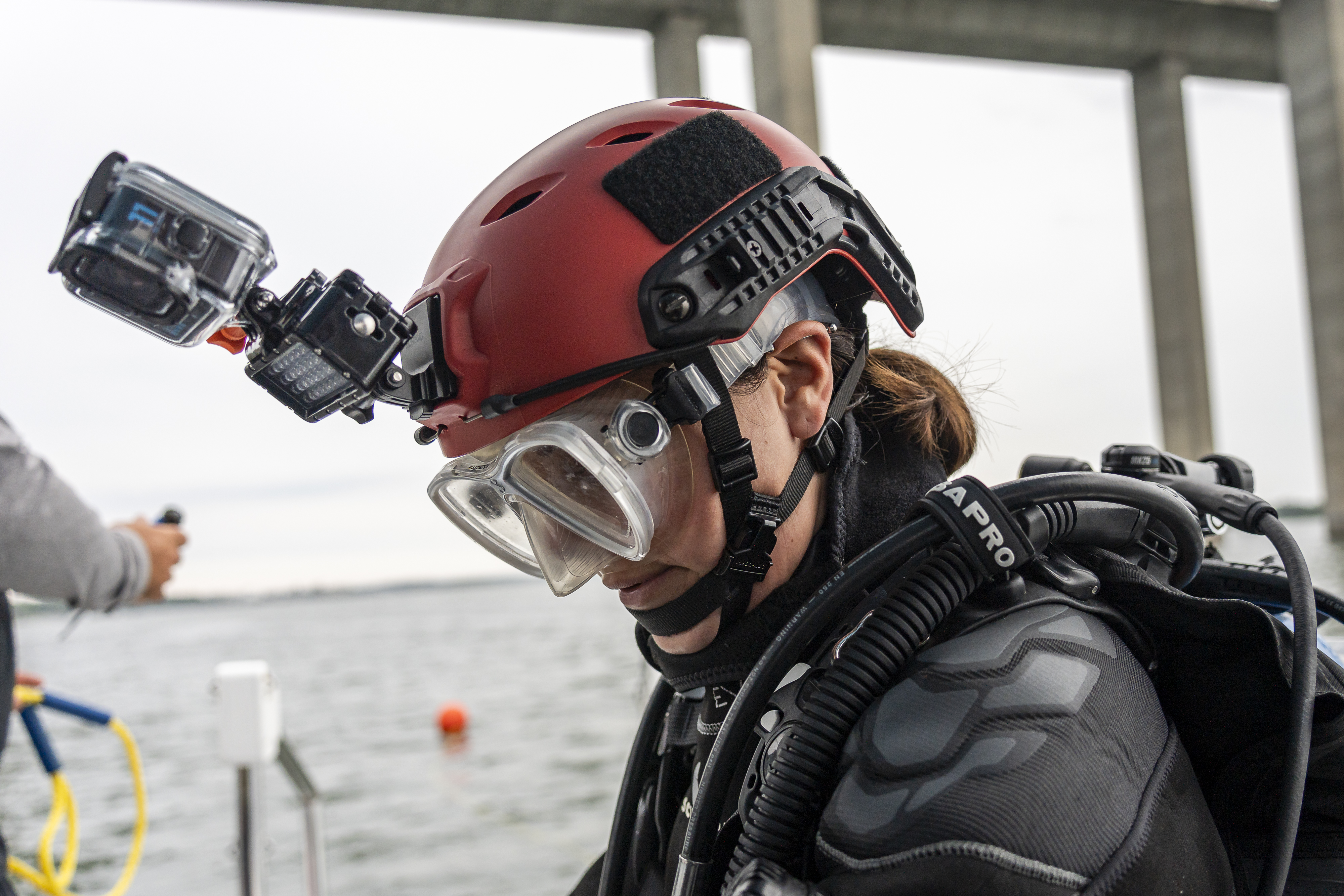
When I co-founded Edges of Earth, the model was straightforward. We'd travel to frontline conservation sites, document the people doing the work, and turn that footage and reporting into narratives that could serve both media outlets and brand partners. Three years in, we've covered 375+ stories across 53 countries.
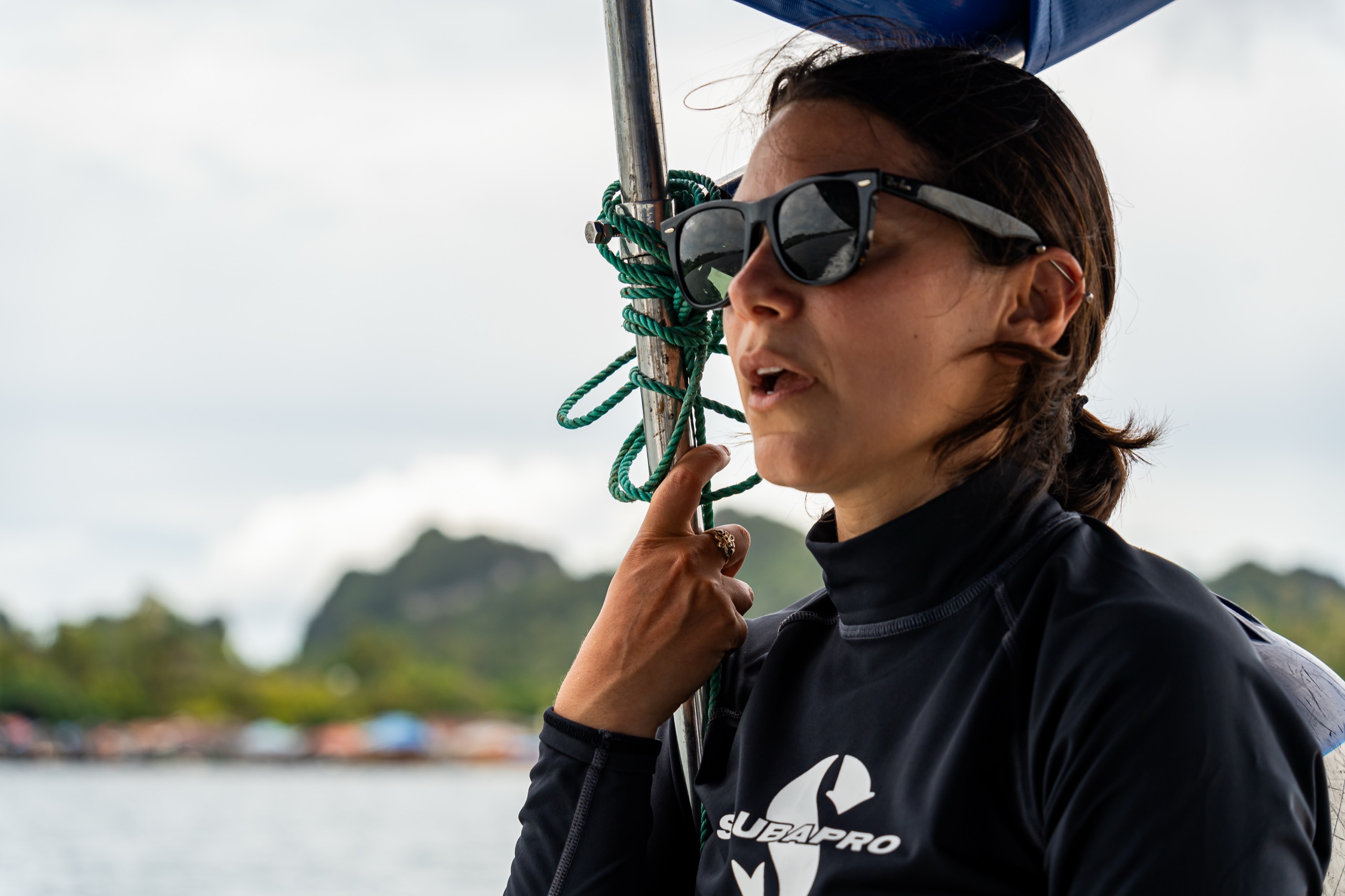
One example that captures the approach: in Raja Ampat, Indonesia, we met Yosef, a former dynamite fisherman who became a coral gardener. He built nursery tables from salvaged materials and tended coral fragments until the reef recovered enough that his catch tripled. We shot that story in a day. No script. Just Yosef on his boat, showing us the reef, explaining what changed. Three international outlets picked it up. The regional government used it as evidence for expanding marine protected areas.
That story moved policy not because it was beautifully produced, it wasn't, it was shot on a boat in rough water, but because it had a named person, a specific place, a real turning point, and a measurable outcome. That's the formula.
For our brand partners, we apply the same approach. We don't write their sustainability copy from a desk. We go to where their impact happens, find the person closest to the work, and document what's real. It consistently outperforms polished studio content because the audience can feel the difference.
The stories that moved policy and funding weren't the ones we planned in advance. They were the ones where we showed up, shut up, and let the person closest to the work explain what happened in their own words.
If you're building a brand story and want to explore this kind of approach, here's how I work with brands. I also cover storytelling frameworks in my speaking engagements.
Smaller Brands Doing It Right
You don't need a billion-dollar market cap to tell a great brand story. Some of the best brand storytelling examples I've seen come from companies that had no choice but to lead with their mission because they didn't have the budget to lead with anything else.
Allbirds: Material Transparency as Story
Allbirds did something I hadn't seen before in footwear: they put a carbon footprint label on every product, the way food companies put calorie counts on packaging. That's not a campaign. That's a structural storytelling decision. Every product page becomes a narrative about material choices, trade-offs, and progress. They're transparent about what's working and what still needs improvement. Customers don't just buy shoes, they buy into a system they can track.
Dr. Bronner's: Activist Storytelling
Dr. Bronner's is a soap company that takes public positions on psychedelic therapy reform, regenerative agriculture, and fair trade supply chains. Their CEO has been arrested at protests. The labels on their bottles are famously covered in philosophical text. None of this is calculated brand strategy in the traditional sense, it's a family business that refuses to separate its values from its product. And it works. Revenue has grown consistently for over a decade. The story is the brand, and the brand is the story. There's no gap between the two.
Impossible Foods: Science as Narrative
Impossible Foods could have positioned themselves as "plant-based meat alternative" and called it a day. Instead, they built their story around a question: what if the most impactful thing you could do for the planet was eat a different burger? They led with the science, the heme molecule that makes their product taste like beef, and wove the environmental mission into the science story. The protagonist isn't the burger. It's the biochemist who spent years figuring out how to make plants bleed.
What these three share: founders who are close enough to the work to speak with genuine authority, a willingness to take positions that might alienate some customers, and storytelling that's embedded in the product itself rather than layered on top.
What These Brand Storytelling Examples Have in Common
After analyzing these examples, and hundreds more over my career, the patterns are remarkably consistent. Here's what separates the brand stories that work from the ones that don't.
- Specificity over abstraction. Every strong brand story names a person, a place, and a moment. "We empower communities" is abstraction. "Yosef in Raja Ampat built coral nurseries from salvaged wood" is a story.
- A protagonist who isn't the brand. Patagonia features anglers and activists. Nike features athletes. Airbnb features hosts. The brand is the stage, not the star.
- Real tension. Dove showed the gap between self-perception and reality. Nike let Kaepernick carry genuine career risk. Impossible Foods acknowledged that asking people to change what they eat is hard. Without stakes, there's no story.
- Consistency measured in years, not campaigns. Dove has run Real Beauty for over two decades. Patagonia's supply chain transparency is a permanent commitment. The brands that win at storytelling aren't the ones that launch a great campaign, they're the ones that stick with a narrative long enough for it to become identity.
- Evidence that backs the claim. Carbon labels on shoes. Supply chain maps with problem flags. A reef that recovered. A marathon time. The audience needs proof, and the best brand stories build it into the narrative.
- Imperfection as a feature. Kipchoge missed the two-hour mark. Patagonia flags its own supply chain problems. Dr. Bronner's admits their bottles are weird. The rough edges are what make these stories trustworthy.
For a deeper framework on building this kind of narrative structure, see the complete brand storytelling guide. And if you're specifically working in sustainability or impact, the sustainability storytelling guide goes deeper on that niche.
How to Apply These Lessons to Your Brand
You've seen what works. Here's how to start doing it yourself, whether you're a team of three or three hundred.
Find your protagonist
It's not the CEO. It's not the brand. It's the person closest to the work, the customer whose life changed, the employee on the factory floor, the community member your product or service touches. Airbnb found hosts. Nike found athletes. Who's yours?
Name the tension
Every industry has a real conflict underneath it. Beauty vs. unrealistic standards. Outdoor gear vs. environmental impact. Food vs. climate. Find the tension your brand lives inside and stop pretending it doesn't exist. That tension is your narrative engine.
Document the turn
The turning point is where your story gets interesting, the moment someone made a choice, took a risk, or changed course. Yosef putting down the dynamite and picking up coral fragments. Kaepernick kneeling. The Allbirds team deciding to put carbon scores on their boxes. Find that moment and build the story around it.
Earn the result
Back your story with numbers. Not vanity metrics, real outcomes. Catch tripled. Policy changed. Revenue grew. Emissions dropped by a specific percentage over a specific period. The data hits different when the audience already cares about the person behind it.
Even a single LinkedIn post following this structure will outperform a polished brand video that skips the fundamentals. Story structure beats production value every time.
If you want help building this into a full brand storytelling strategy, that's what I do. I work with brands to find their frontline stories and turn them into narratives that actually connect, based on the same approach behind every example in this article.
Step one, finding your protagonist, is the same move I make as an Accelerant Strategist: locate the positive deviant already succeeding under the tension everyone else in the category is dodging, then build outward from there. Every brand in this article found its protagonist before it found its narrative voice.
Frequently Asked Questions
What are the best examples of brand storytelling?
The strongest brand storytelling examples include Patagonia's radical supply chain transparency, Airbnb's "Belong Anywhere" host-centered narratives, Dove's two-decade Real Beauty campaign, Nike's athlete-driven stories like the Kaepernick campaign and Breaking2 documentary, and expedition-based storytelling from Edges of Earth. What unites them is specificity, real stakes, and protagonists who aren't the brand itself.
What makes brand storytelling authentic?
Authenticity comes from specificity and honesty. Name real people, real places, real numbers. Show the trade-offs and the parts that aren't perfect. Use photos and footage from actual projects, not stock imagery. Audiences, especially younger ones, can detect the gap between real storytelling and marketing copy almost instantly.
How do smaller brands compete with big brand stories?
Smaller brands actually have an advantage: their founders are closer to the work and can speak with firsthand authority. Allbirds, Dr. Bronner's, and Impossible Foods all built powerful narratives without massive content teams. Lead with transparency, take clear positions, and embed the story in the product itself. You don't need Patagonia's budget to tell a real story.
What do the best brand storytelling examples have in common?
Five things: a specific protagonist the audience can root for, genuine tension or stakes, evidence that backs the narrative claim, consistency sustained over years rather than a single campaign, and a willingness to show imperfection. The brands that win at storytelling make it structural, not seasonal.
How do I start brand storytelling for my own company?
Find the person closest to the work your brand does, a customer, team member, or community partner. Identify the real tension in your space. Document a specific moment where someone took action or made a different choice. Then back it up with measurable outcomes. Even a 500-word post following this structure outperforms polished content with no story underneath it.