What Brand Storytelling Actually Is (and What It Isn't)
Brand storytelling is using narrative to communicate what your brand stands for, why it exists, and what it makes possible for the people it serves. That's it. It's not a tagline exercise. It's not a brand book that collects dust on a shared drive. It's the ongoing practice of telling true stories that connect your brand to the people who care about what you do.
Here's what it isn't: it's not a content calendar. It's not "storytelling" slapped onto a product launch campaign because someone read a LinkedIn post about narrative. And it's definitely not fiction. The brands doing this well are telling real stories about real people. The ones doing it badly are manufacturing narratives that feel hollow the second you look closely.
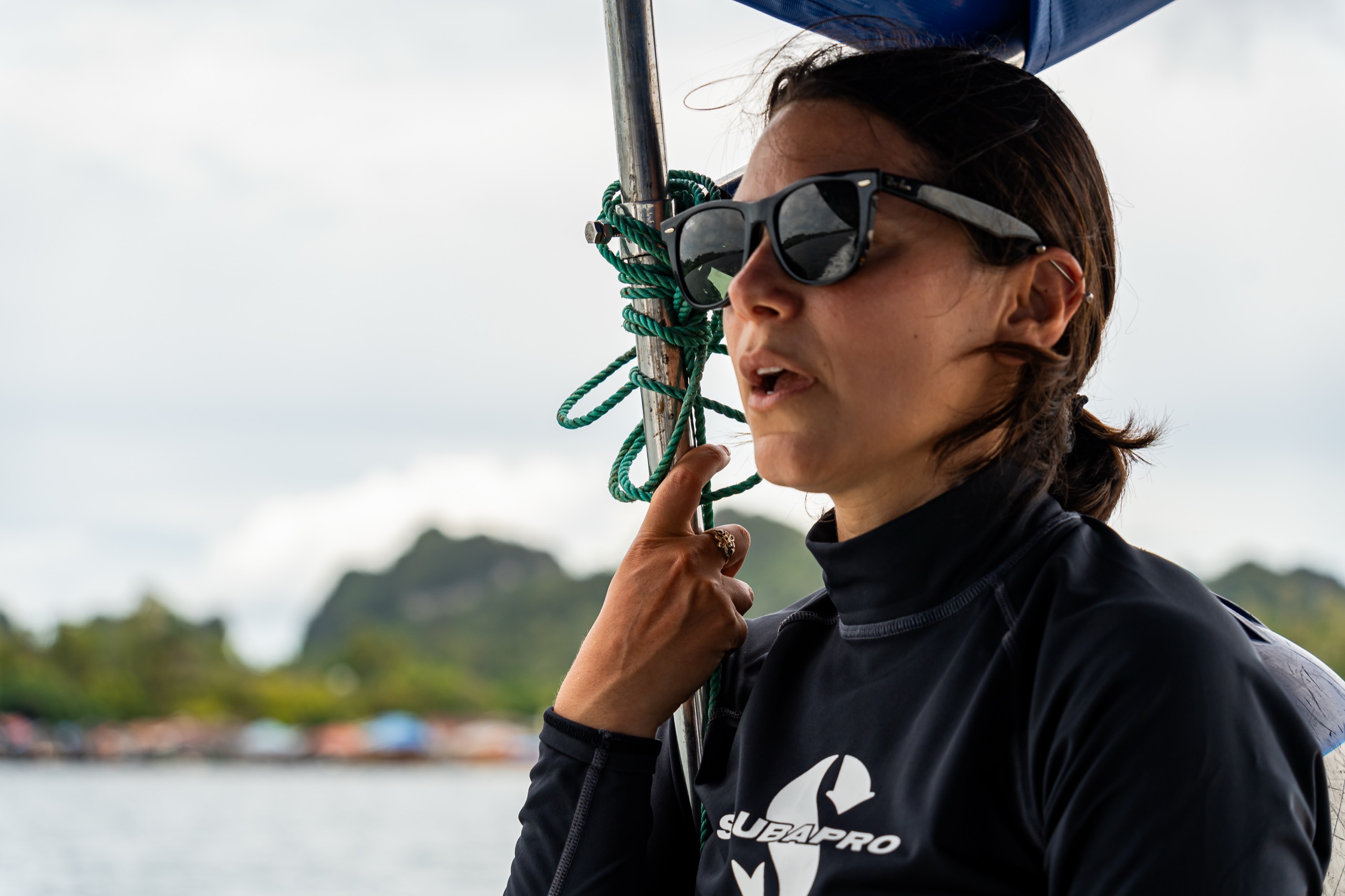
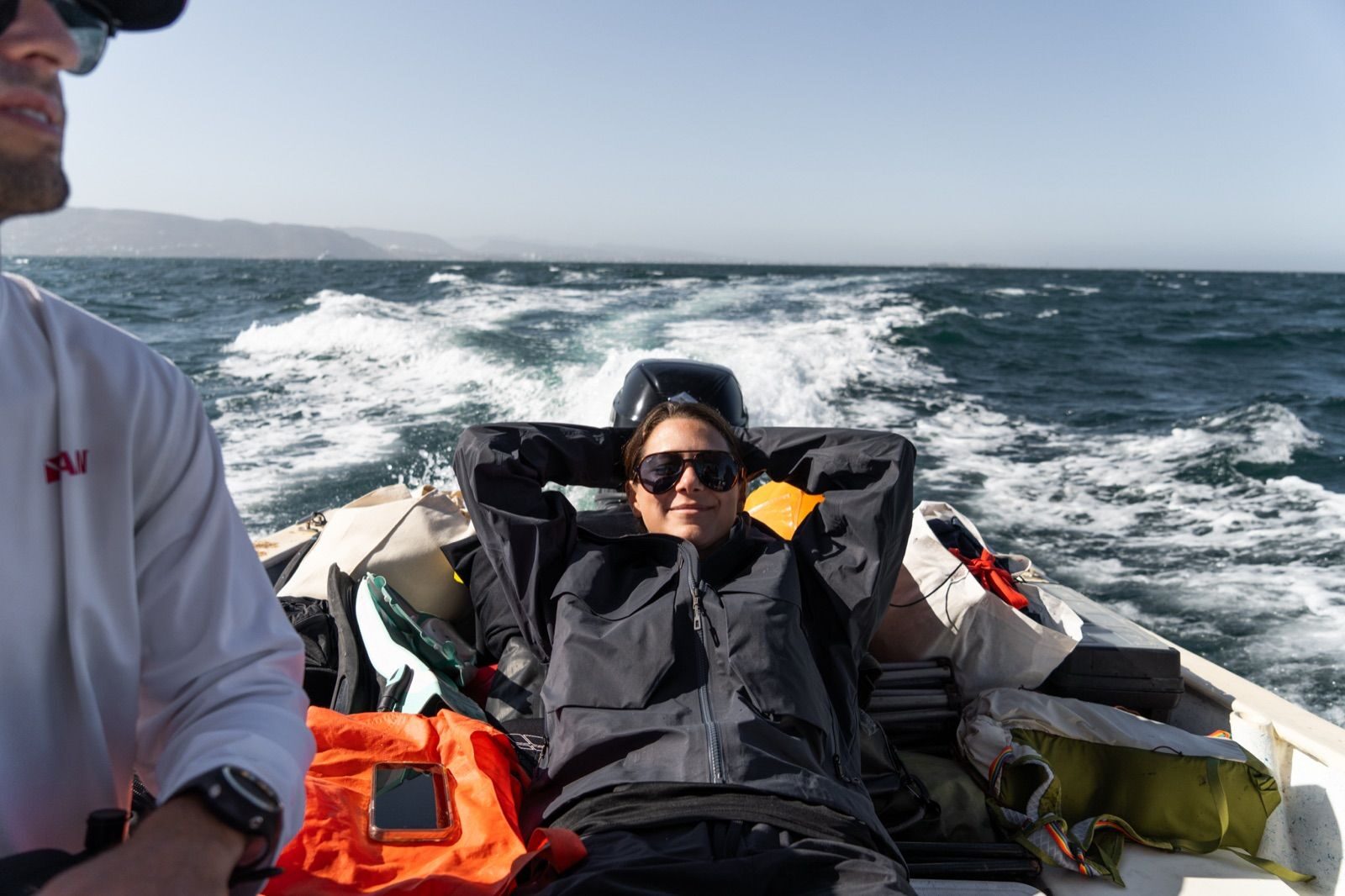
I came to this through two very different doors. Fifteen years of agency work at Ogilvy and Huge, where I helped brands build narratives from conference rooms and strategy decks. Then three years of expedition storytelling with Edges of Earth, where I documented conservation work across 53 countries from the actual places the stories happen. That shift changed everything I believed about what makes a brand story stick.
The conference room version of brand storytelling is clean. Neat. Controlled. The field version is messy, surprising, and ten times more powerful. The best brand stories live somewhere between the two.
Why Brand Storytelling Matters More Than Ever
People are exposed to somewhere between 6,000 and 10,000 ads per day. Nobody processes that volume. What they do process is a story that makes them feel something. Stanford research found that stories are up to 22 times more memorable than facts presented alone. Twenty-two times. If your brand is leading with product specs and feature lists, you're fighting with one hand tied behind your back.
But there's a trust problem too. Edelman's 2026 Trust Barometer shows that only 49% of consumers trust businesses to do the right thing. That means more than half your audience starts skeptical. Data won't fix that. Polished campaigns won't fix that. What fixes it is consistent, honest storytelling that matches what people experience when they actually interact with your brand.
The brands winning right now aren't the loudest. They're the ones telling the truest stories. Audiences can smell inauthenticity in about three seconds.
There's also a competitive angle. When every product in a category performs roughly the same, story becomes the differentiator. Nobody chooses Patagonia over North Face because of stitching quality. They choose it because of what Patagonia stands for and the stories it tells about that position. Brand storytelling isn't a nice-to-have anymore. For most companies, it's the only real moat left.
The Anatomy of a Great Brand Story
Every brand story that works has the same bones. The surface looks different, the format changes, but the underlying structure is remarkably consistent. After years of building these for clients and then telling stories across dozens of countries, I keep coming back to five elements.
A protagonist who isn't the brand
This is where most companies go wrong immediately. Your brand is not the hero. Your customer is. Your community is. The person whose life changes because of what you built. When Airbnb tells stories, the protagonist is always the host or the traveler. The platform is the setting, not the character.
A genuine tension
Stories without conflict are just descriptions. What's the problem your protagonist faces? What was the world like before your brand showed up? The tension doesn't need to be dramatic. It can be as simple as "I couldn't find a product I trusted" or "nobody was talking about this problem." But it needs to be real.
A turning point
Something changes. Someone makes a decision. This is the moment where your brand enters the story, not as the hero, but as the thing that made the turn possible. It's the tool, the platform, the catalyst.
Evidence that it mattered
Show the outcome. Not in vague aspirational language. In specifics. Numbers, testimonials, observable change. "Our community grew by 40,000 members in six months" hits differently than "we're building a movement." One is evidence. The other is a wish.
A bridge to the audience
The best brand stories end by making the audience see themselves in the narrative. This isn't a hard sell. It's the feeling of "that could be me" or "I want to be part of that." When you get this right, you don't need a call to action. People act on their own.
Brand Storytelling vs. Brand Marketing
These get conflated constantly, and it matters to separate them. Brand marketing is the umbrella: positioning, messaging, campaigns, media buying, the whole machine. Brand storytelling is one component of that machine, but it operates by different rules.
Marketing says: "Here's why you should buy this." Storytelling says: "Here's something that happened. Here's why it matters. Here's what it means." Marketing pushes. Storytelling pulls.
A useful way to think about it: your brand marketing is the infrastructure. Your brand storytelling is the electricity that runs through it. You need both. A great story without distribution is a tree falling in the woods. But distribution without story is just noise with a budget.
The practical difference shows up in metrics too. Marketing campaigns optimize for conversions, clicks, cost per acquisition. Storytelling optimizes for share of voice, sentiment, brand recall, and the kind of organic word-of-mouth that no media buy can replicate. Both matter. But they measure different things, and treating storytelling like a direct response channel is a guaranteed way to kill it.
How to Find Your Brand's Story
Most brands don't have a storytelling problem. They have a discovery problem. The story is already there. It's in the founding moment, the customer conversations, the decisions that shaped the company. You just need a systematic way to find it.
I've used this framework with startups, Fortune 500s, and nonprofits. It works across industries because it's based on how narrative works, not how any particular business works.
Audit what already exists
Pull together every piece of content from the last year. Website, social, pitch decks, internal emails, customer reviews. You're looking for the story your brand is already telling, even if nobody planned it. Patterns show up fast.
Identify the founding tension
Every brand exists because someone saw a problem and decided to fix it. Go back to that moment. What was broken? What made the founder angry or frustrated enough to start something? That original tension is the seed of your story.
Find the protagonist
Your brand is not the hero. Say it again. The person whose life changes because of what you do is the protagonist. Interview ten customers. Ask them to describe their life before and after they found you. The protagonist will emerge.
Map the transformation
What does your protagonist's world look like before your brand exists in it, and what does it look like after? The gap between those two states is your story. Be specific. Vague transformations make vague stories.
Test the story
Tell it to five people who don't work at your company. Not friends, not investors. Regular people. If they can repeat the story back to you in their own words, you've got it. If they can't, simplify and try again.
This process usually takes two to three weeks if you're doing the interviews properly. Don't rush it. A story you discover is always stronger than one you manufacture.
This is the same diverge-then-converge instinct I use as an Accelerant Strategist: audit broadly before narrowing, and look for the protagonist who's already succeeding against the odds rather than inventing one. A brand story built on a real positive deviant, someone or something already proving the transformation is possible, holds up under pressure in a way a manufactured narrative never does.
I've seen billion-dollar brands spend six months on a brand narrative that nobody outside the marketing team could repeat. The problem was never the writing. It was that they skipped the discovery.
Brand Storytelling Examples That Actually Work
Let's look at what this looks like in practice. These aren't obscure case studies. They're brands you know, doing storytelling well for specific reasons worth understanding.
Patagonia: activism as narrative
Patagonia's storytelling works because the brand genuinely operates the way its stories claim. When Yvon Chouinard transferred ownership to a climate trust, that wasn't a campaign. It was the ultimate brand story, one where the company's actions and its narrative became the same thing. Every piece of content they produce reinforces the same story: the planet matters more than profit. You don't have to agree with their politics to recognize the strategic power of absolute consistency between story and action.
Airbnb: belonging through hosts
Airbnb figured out early that its story wasn't about rooms. It was about belonging. And the characters in that story are the hosts, not the platform. Every host spotlight, every community story, every neighborhood guide reinforces the same narrative: travel isn't about places, it's about people. The company hit rough patches, especially during COVID, but the core story held because it was rooted in real relationships, not marketing copy.
Dove: redefining the protagonist
Dove's Real Beauty campaign launched in 2004 and it's still running. Two decades. That kind of longevity doesn't come from clever advertising. It comes from picking a story that's bigger than your product and committing to it completely. Dove made ordinary women the protagonists in a category that had always featured models. The tension was obvious and real. The story practically told itself.
What these brands share
Three things connect these examples. First, the brand is never the hero. The customer, the community, the cause is the protagonist. Second, the stories are grounded in something the company actually does, not just something it says. Third, the narrative has been consistent for years. Great brand storytelling is a long game. You can't rebrand your story every quarter and expect anyone to remember it.
For a deeper breakdown of storytelling examples across industries, see the upcoming guide on brand storytelling examples.
Brand Storytelling for Sustainability and Impact Brands
Impact brands and sustainability-focused companies have a storytelling advantage most of them waste. They're doing genuinely interesting work, in real places, with real people. That's narrative gold. But too many of them bury it in jargon, ESG reports, and vague commitments that nobody reads.
I've spent three years documenting frontline conservation projects across 53 countries with Edges of Earth. The stories that get picked up by press, shared by governments, and actually move funding toward projects all follow the same pattern: they lead with a person, not a statistic. They show what's working, not just what's broken. And they're honest about the messy parts.
If you're an impact brand, the single best investment you can make in your storytelling is sending someone to the places where your work happens. Not a stock photo agency. Someone who can talk to the people closest to the impact, get the details that can't be faked, and bring back stories that make your annual report worth reading.
I wrote a full guide on this: sustainability storytelling covers the frameworks, the common mistakes, and the field-tested approaches that work for brands doing purpose-driven work. It pairs directly with everything in this guide.
Common Mistakes Brands Make with Storytelling
I've seen these patterns repeat across hundreds of brands. They're easy to fall into and surprisingly hard to recognize from the inside.
Making the brand the hero
I've said it three times already. I'll say it again because it's the most common mistake by a wide margin. The moment your story becomes "look what we did," you've lost the audience. Nobody wants to hear a company talk about itself. They want to see themselves in your story.
Telling stories that don't match reality
If your brand story says "we care about community" but your customer service is terrible, people will notice. Storytelling amplifies what already exists. If what exists is a gap between your narrative and your behavior, storytelling will amplify that gap. Fix the behavior first.
Chasing trends instead of building a narrative
Every few months there's a new format, a new platform, a new cultural moment brands rush to attach themselves to. That's not storytelling. That's trend-hopping, and it dilutes your narrative every time you do it. Patagonia doesn't pivot its story for TikTok trends. It tells the same story in every format. That consistency is what makes it work.
Overproducing everything
Some of the most effective brand stories I've seen were shot on an iPhone by someone who happened to be there when something real happened. Over-production creates distance. It signals "this was manufactured," which is exactly the opposite of what you want. Invest in finding the right stories. Spend less on making them look perfect.
Giving up too early
Brand storytelling compounds over time. The first story you tell might not get traction. The fifth might not either. But by the twentieth, people start to recognize a pattern, and that pattern becomes your brand in their minds. Most companies quit after three or four attempts. The ones who stick with it for years are the ones who build something that lasts.
Getting Started with Your Brand Story
You don't need a six-figure budget or a rebrand to start telling better stories. You need a system and the discipline to stick with it.
- Audit what you have. Look at your last 50 social posts, your website copy, your pitch deck. What story are you already telling? Is it consistent? Is it about your customers or about you?
- Talk to ten customers. Not a survey. Real conversations. Ask them why they chose you. Ask what their life looked like before. Write down the exact words they use. Those words are your raw material.
- Write the founding story. In 300 words or less. What problem did the founder see? What did they do about it? Why does it matter? If you can't tell that story clearly, nothing else will work.
- Pick one channel and commit. Don't try to be everywhere. Pick the platform where your audience already spends time and tell one story per week for three months. Consistency beats volume.
- Measure what matters. Track shares, saves, and comments rather than just impressions. Track whether people mention your story unprompted. Track whether your sales team reports that prospects already know what you stand for before the first call.
If you want help building a brand storytelling strategy from the ground up, here's how I work with brands. I also cover storytelling frameworks in my speaking engagements if you're looking for something for your team or event.
Frequently Asked Questions
What is brand storytelling?
It's using narrative to communicate what your brand stands for, why it exists, and what it makes possible for the people it serves. Good brand storytelling creates emotional connection through real stories and real people, not product features and marketing claims.
How is brand storytelling different from advertising?
Advertising interrupts people with a message designed to drive a transaction. Storytelling invites them into a narrative they want to follow. Advertising optimizes for clicks and conversions. Storytelling optimizes for recall, sentiment, and organic word-of-mouth. You need both, but they play different roles.
What makes a brand story compelling?
Four things: a protagonist who isn't the brand, a genuine tension or problem, a turning point where something changes, and specific evidence that the change mattered. The brands with the strongest stories nail all four consistently.
How do you find your brand's story?
Start with the founding tension, the problem that made someone start the company. Talk to customers about their before and after. Look for the transformation your brand enables. Then test the story by telling it to people outside your company and seeing if they can repeat it back.
What are the best brand storytelling examples?
Patagonia built its entire brand around environmental activism. Airbnb tells stories through its hosts, making belonging the narrative rather than rooms. Dove's Real Beauty campaign has run for 20 years because it made ordinary women the protagonist in a category dominated by models. All three prove that the best brand stories are about the people you serve, not the products you sell.