What Craft Actually Means
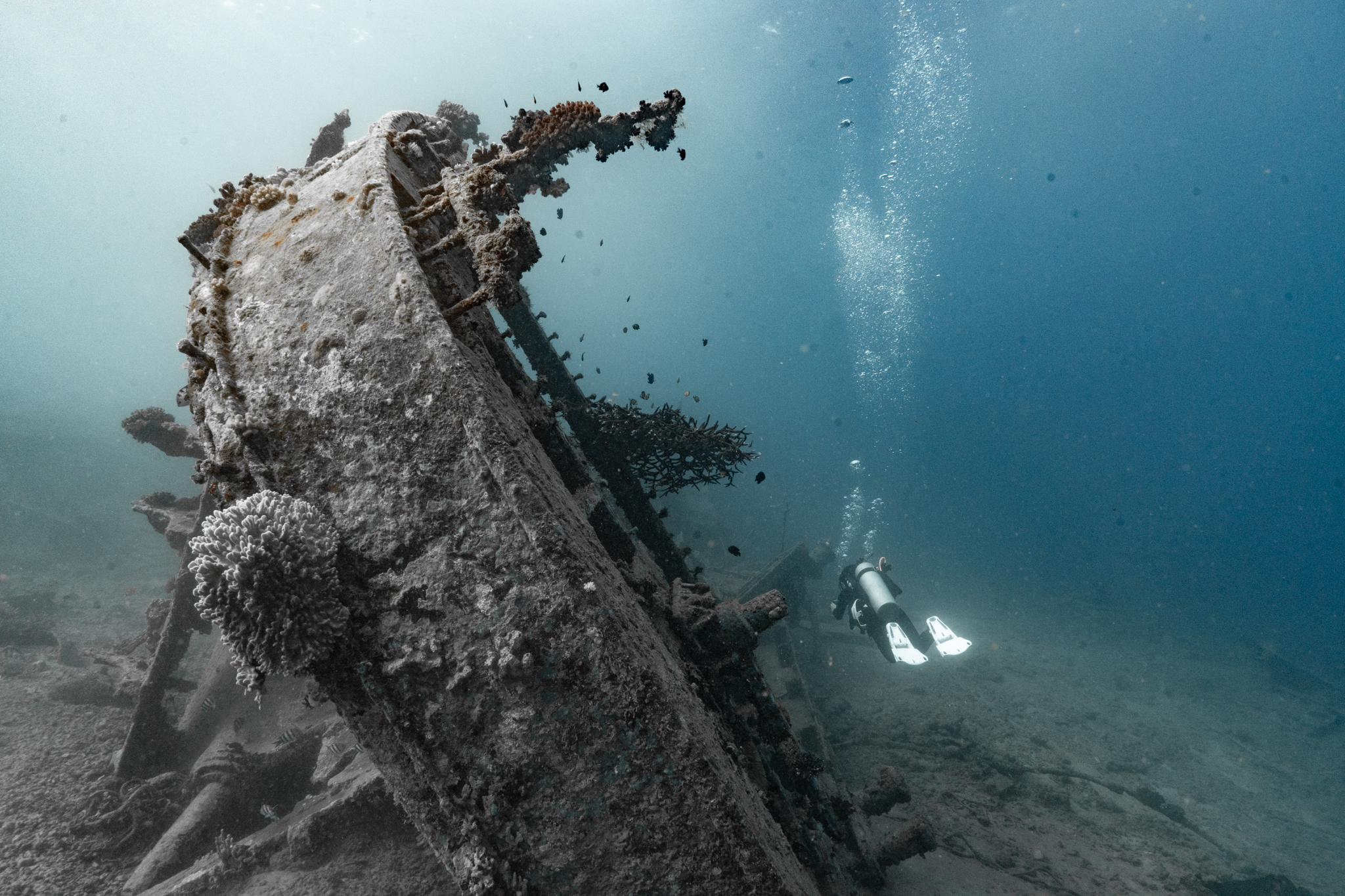
Craft is the gap between doing something and doing it well enough that it holds up under real conditions. A diver who can complete an open water certification in a swimming pool has a credential. A diver who can hold a decompression stop steady in open ocean current with failing visibility has craft. The difference is hundreds of repetitions most people never see.
The certification path from Open Water to Divemaster to technical diving took six years of deliberate, unglamorous repetition, logging hundreds of dives before any of it looked effortless. Craft doesn't announce itself. It shows up quietly, in the moment something goes wrong and the response is already automatic.
Depth Beats Breadth
Trying to be competent at everything usually means being genuinely skilled at nothing, and audiences, clients, and collaborators can tell the difference quickly. Fifteen years of brand strategy work taught me that the strategists who built the strongest reputations weren't the ones who could touch every discipline. They were the ones who went deep on one specific capability, positioning, narrative, or growth strategy, and became the person other strategists called when that particular problem showed up.
The instinct to do a little of everything is understandable, and it's almost always the wrong instinct. Depth in one real skill outperforms a shallow claim to five.
What the Slow Build Actually Looks Like
Building craft looks unremarkable from the outside for a long time. Most of the six years between learning to swim and becoming a professional technical diver was spent repeating drills that had already stopped feeling exciting: buoyancy control, gas management, emergency procedures run over and over until they lived in the body rather than the head. Nobody sees that part. They see the finished diver descending into Mexico's Taam Ja' blue hole and assume it always looked that easy.
The same pattern held true building Edges of Earth. Three years and 53 countries of documentation work looked, from the outside, like one continuous expedition. From the inside, it was thousands of small, repeated decisions about how to interview someone, frame a shot, or structure a story, refined slowly until the craft became reliable.
A Framework for Honing Your Craft
Here's the practical version, the steps that actually build depth over time.
Pick one discipline and commit
Choose the single skill that matters most for what you're trying to build, and put the bulk of your effort there first.
Repeat the fundamentals past the point of boredom
The unglamorous repetitions are where craft actually forms. The highlight moments are just where it shows.
Seek out harder conditions on purpose
Growth in a skill comes from conditions slightly beyond current competence. Staying comfortable rarely builds anything new.
Get feedback from people better than you
A mentor or peer with more developed craft can spot gaps in your own work that are hard to see from the inside.
Let recognition follow the work
Reputation and opportunity tend to follow real craft, often well after the work itself became solid.
Step 1, one discipline instead of many, is the same mission-critical-move discipline I bring as an Accelerant Strategist: commit fully to the one high-leverage intervention rather than spreading effort across a portfolio of small bets. Craft and strategy compound the same way.
Common Mistakes
- Spreading effort across too many skills at once. A little competence in five disciplines rarely earns the trust that real depth in one does.
- Quitting the repetitive phase before the skill becomes automatic. The unglamorous middle stretch is exactly where craft actually forms.
- Avoiding harder conditions that would actually build capability. Comfortable practice maintains a skill. Harder conditions grow it.
- Chasing recognition before the craft is genuinely there. Reputation built ahead of real competence tends to collapse the first time it's tested.
Frequently Asked Questions
What does it actually mean to hone a skill or craft?
It means narrowing focus to one discipline and repeating its fundamentals until the response becomes automatic under real conditions, not just ideal ones. Craft is the gap between doing something and doing it reliably when conditions get hard.
Is it better to specialize or stay a generalist?
For most people building a reputation or a business, specializing produces stronger results. Depth in one real skill tends to outperform a shallow claim to several.
How long does it actually take to build real craft in something?
Years, typically, of consistent and often unglamorous repetition. Going from a beginner diver to a professional technical diver took six years of deliberate practice.
How do I know if I'm actually improving at a skill?
Improvement usually shows up first in harder conditions rather than easier ones. Comfort in ideal conditions is a far less reliable signal than performance under pressure.